ACNE SCAR TYPES: ICEPICK, ROLLING, BOXCAR, HYPERTROPHIC/KELOID
Acne scars can significantly impact skin aesthetics and personal confidence, with each scar type presenting unique challenges for treatment.
Therefore, this guide offers an in-depth look at the four main types of acne scars—Icepick, Rolling, Boxcar, and Hypertrophic/Keloid—exploring their characteristics and discussing tailored acne scar treatment strategies.

THE 4 TYPES OF ACNE SCARS
1. ICEPICK SCARS: PENETRATING DEEP SKIN LAYERS
- Characteristics: Icepick scars are deep, narrow, and sharply pitted, often resembling puncture marks that penetrate deep into the skin. Typically these are found on areas like the cheeks and are among the hardest to treat due to their depth.
- Treatments: The TCA Cross method is frequently used, involving the application of trichloroacetic acid into the scar to stimulate deep collagen production and elevate the scar base. Other potential treatments include laser therapy and precision excision.
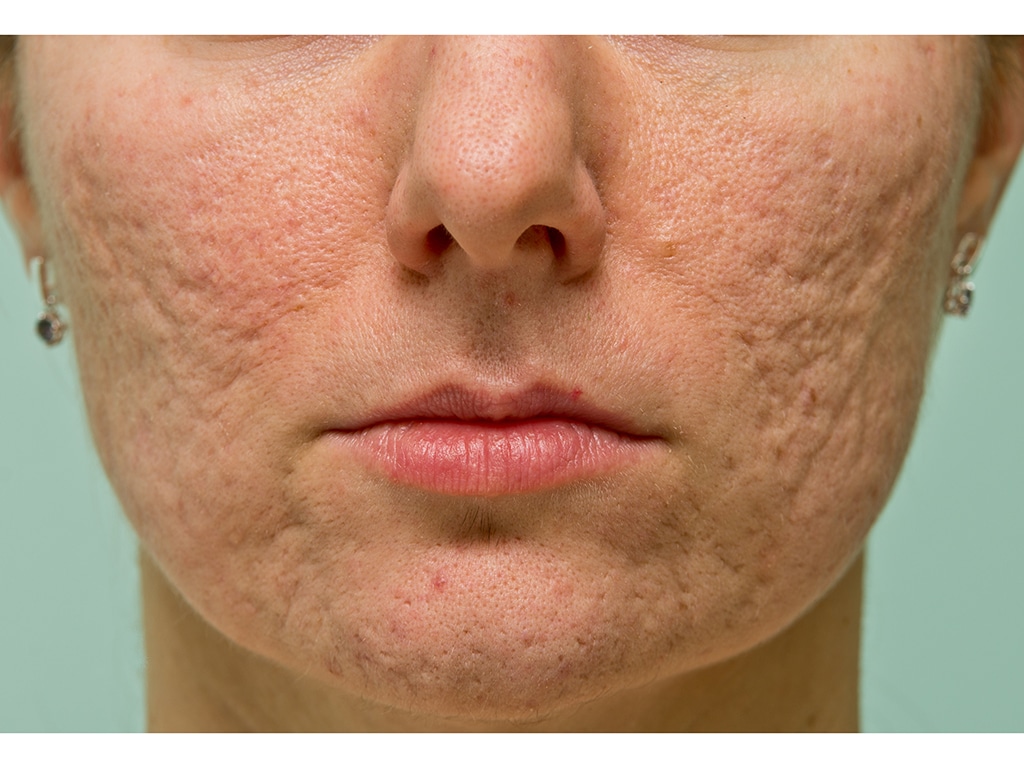
2. ROLLING SCARS: TISSUE REGENERATION FOR UNDULATING TEXTURES
- Characteristics: Rolling scars manifest as undulating textures on the skin due to fibrous tissue bands that pull the epidermis inward. Furthermore, they typically have a shallow but wide appearance and create a wave-like texture across the skin.
- Treatments: Subcision is highly effective for these scars, utilizing a specialized needle to sever the fibrotic strands and release the skin's surface. This method may be combined with collagen-stimulating treatments such as fillers or radiofrequency to support tissue regeneration and sustain the smoothing effect.

3. BOXCAR SCARS: ADDRESSING ANGULAR DEPRESSIONS WITH PRECISION
- Characteristics: Boxcar scars are angular, oval or round depressions with steep vertical sides, resembling chickenpox scars. Consequently, they vary in depth and are often more visually prominent due to their sharp edges.
- Treatments: Treatment options are versatile, ranging from laser resurfacing to remove superficial layers and promote new skin growth, to dermal fillers that elevate the depressed areas. Additionally, chemical peels 以及 微针 are also effective for less severe boxcar scars, helping to smooth out the skin's surface.

4. HYPERTROPHIC/KELOID SCARS - UNDERSTANDING AND MANAGING RAISED SCARS
- Characteristics: These scars are thick, raised, and typically larger than the original wound, caused by an overproduction of collagen. Moreover, they are often darker and can be itchy or painful.
- Treatments: Effective management includes intralesional steroid injections to reduce collagen production, silicone gel sheets to flatten the scar naturally, and laser treatment to improve texture and pigmentation. In more severe cases, surgical removal may also be considered.

COMPREHENSIVE APPROACHES FOR DIFFERENT ACNE SCAR TYPES
- Professional Consultation: Given the complex nature of acne scarring, combining treatments often yields the best results. Thus, professional evaluation is essential to determine the most effective strategy based on acne scar type, skin type, and individual healing characteristics.
- Maintenance and Follow-Up: Consistent follow-up appointments are crucial to adjust treatments as the skin responds and evolves over time. Furthermore, a tailored skincare regimen is also recommended to support and enhance treatment outcomes.

BOOKING YOUR CONSULTATION AT SPARROW MD
In conclusion, understanding your specific type of acne scar is the first step toward effective treatment. Modern skin advancements provide numerous options to reduce and potentially eliminate these scars, restoring not only smoother skin but also personal confidence.
For personalized care and tailored treatment, book a consultation today with one of our experienced professionals at Sparrow MD.

Medical Author

Ready to find out more?
Stay up to date with us by subscribing to our updates.